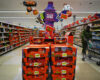
Halloween candy sales are off to a slow start this year as U.S. consumers grapple with high living costs and eye-popping chocolate prices.
Halloween candy sales fell 6.7% in the month ending Oct. 17 compared to the same period last year, according to NielsenIQ, a market research firm.
Modern Gents reports average wedding spending hit $34,200 in 2025, highlighting that couples prioritize experiences and personalization while balancing budgets amid rising costs.
Doctronic reports that RSV and flu, both contagious respiratory infections, have overlapping but distinct symptoms.
Intuit TurboTax reports on budget-friendly, sustainable Halloween costumes, suggesting to repurpose existing clothes, swap with friends, thrift strategically, DIY props, and invest in one key piece for authenticity.
Vogo reports that over 70% of U.S. travelers plan to adjust their fall and holiday trips to avoid extreme heat, focusing on cooler destinations and budgeting for comfort.
Pope Leo XIV gave strong indications Friday that he was recovering well from lung cancer surgery and was very much in charge of running the Catholic…
Six Flags Over Georgia is set to open its gates Friday for the first time since a man fell to his death from one of the amusement park’s towering…
GoodRx reports that maintaining muscle during weight loss is crucial for health.
Campus Insights Media on behalf of Pennsylvania State University reports on how parents can help scared children enjoy Halloween.
GoodRx reports it’s almost never too late to get a flu shot, as it provides protection even if flu season has started, lasting until May.